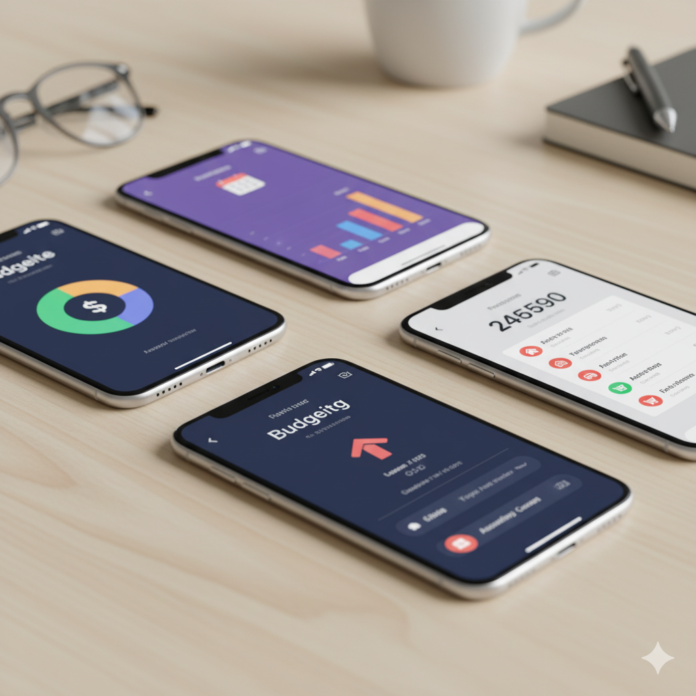
Managing your money can feel overwhelming, especially when life gets busy. You may find yourself asking, “Where did all my money go?” or “How can I save more without cutting out the things I love?” The good news is, you don’t have to figure it out on your own anymore.
With AI-powered budgeting and expense tracking apps, you can take control of your finances effortlessly. These apps are designed to do the heavy lifting for you—tracking your spending, spotting patterns, and even helping you set smarter goals. But here’s the thing: not all apps are created equal.
Some are packed with features you’ll actually use, while others may fall short. That’s why we’ve rounded up the top 10 AI-powered apps to help you make the best choice for your financial future. Ready to find out which one is perfect for you? Keep reading—your wallet will thank you.
Top Features Of AI Budgeting Apps
AI-powered budgeting apps have transformed how people manage their finances. These apps use advanced technology to simplify budgeting and expense tracking. They offer features that save time, reduce stress, and provide clear insights. Let’s explore the top features that make these apps so effective.
Automated Expense Categorization
AI budgeting apps automatically sort your expenses into categories. This saves you from manually organizing transactions. Categories like groceries, transportation, and entertainment are created instantly. The AI learns your spending habits and improves accuracy over time. You can quickly see where your money goes each month.
Real-time Spending Alerts
These apps send instant alerts when you spend money. Notifications help you stay aware of your budget limits. If you’re close to overspending, the app warns you. This feature keeps you in control of your finances. It also prevents accidental overspending.
Predictive Financial Insights
AI tools analyze your spending patterns to predict future expenses. They show how much you might spend in upcoming weeks or months. This helps you plan ahead and avoid financial stress. You can also identify areas to save more money. These insights make budgeting easier and more effective.

Credit: digicrusader.com
How AI Enhances Budgeting Efficiency
Artificial intelligence has transformed how people manage their finances. AI-powered budgeting apps use smart algorithms to simplify expense tracking and planning. These tools analyze spending habits and create personalized strategies to help users save better. By leveraging AI, budgeting becomes more accurate, efficient, and tailored to individual needs.
Custom Financial Recommendations
AI analyzes your spending history to provide tailored financial advice. It identifies patterns in your expenses and suggests areas to cut back. Recommendations are based on your income, goals, and habits. This helps you make informed decisions and prioritize spending wisely.
AI-driven Savings Goals
Budgeting apps use AI to set realistic savings targets. These goals are created by assessing your financial behavior and current expenses. The app then tracks your progress and adjusts strategies as needed. This ensures you stay on track toward achieving your financial milestones.
Expense Forecasting Tools
AI-powered tools predict future expenses based on past trends. They help you prepare for recurring costs and unexpected spending. Forecasts are updated dynamically as your habits change. This reduces surprises and ensures better financial planning.
Best AI-powered Budgeting Apps
Managing your finances can feel overwhelming without the right tools. AI-powered budgeting apps simplify this process. They use smart algorithms to track expenses, set budgets, and provide insights. These apps help users save time and make informed financial decisions. Below, we explore the best AI-powered budgeting apps available today.
Overview Of Popular Apps
Several AI-powered apps have gained popularity for their budgeting features. Mint, YNAB (You Need A Budget), PocketGuard, and Cleo are widely used. They cater to diverse financial goals like saving, debt management, or expense tracking. Each app brings unique capabilities to suit different user needs. Some apps focus on simplicity, while others offer in-depth financial insights.
Unique Features Of Each App
Mint:This app tracks all your expenses in one place. It categorizes transactions automatically and offers budget recommendations. Mint also alerts users about upcoming bills and low balances.
YNAB:YNAB uses a proactive budgeting system. It encourages users to assign every dollar a purpose. It also provides detailed reports to monitor progress over time.
PocketGuard:PocketGuard simplifies budgeting by showing how much money is “safe to spend.” It analyzes your income, bills, and savings goals to provide a clear spending limit.
Cleo:Cleo combines financial tracking with a chatbot interface. Users can ask Cleo questions about their finances. It also offers tips and challenges to promote better spending habits.
User Ratings And Feedback
Mint:Users appreciate its ease of use and comprehensive tracking. Some mention occasional syncing issues with bank accounts.
YNAB:YNAB receives praise for its hands-on approach to budgeting. Users find its method effective but mention a learning curve for beginners.
PocketGuard:Reviews highlight its simplicity and “safe to spend” feature. Some users feel it lacks advanced customization options.
Cleo:Cleo is loved for its fun and interactive chatbot. Users enjoy the financial tips but note the app’s limited account integrations.

Personalized Expense Tracking
Managing finances can feel overwhelming, especially with varying spending habits. AI-powered budgeting apps simplify this by offering tailored expense tracking. These apps analyze your spending patterns and provide insights based on your habits. Personalized tracking ensures your financial goals align with your unique lifestyle.
By understanding your spending behavior, these apps deliver better recommendations. This tailored approach makes managing money easier and more efficient. Below are the key features that make personalized expense tracking so effective.
Tailored Spending Analysis
AI tools sort your expenses into meaningful categories. They identify where you spend the most and highlight potential savings. This data helps you understand your financial priorities. It also shows areas where adjustments can improve your budget.
These apps break down your spending into visuals, like charts or graphs. Clear visuals make it easy to spot trends or unusual expenses. This tailored analysis keeps you informed and in control.
Ai Learning Your Habits
Over time, AI learns your financial habits. It tracks regular expenses, like groceries or subscriptions. It also notices one-time purchases or seasonal spending spikes. This learning helps the app provide accurate insights and forecasts.
The smarter the app becomes, the more useful its suggestions are. It can predict upcoming expenses or remind you of recurring payments. This ensures you’re always prepared and less likely to overspend.
Adapting Budgets Over Time
AI-powered apps adjust your budget as your habits change. If your income increases, the app updates your saving goals. Similarly, it accounts for shifts in spending, like travel or medical costs. This flexibility keeps your budget relevant and practical.
These apps also track progress toward your financial goals. They adjust recommendations to keep you on track. This dynamic approach ensures your budgeting adapts as your life evolves.
Integration With Banking Systems
Integration with banking systems has transformed how people manage their finances. AI-powered budgeting and expense tracking apps now offer seamless connections with banks. This feature ensures real-time updates and accurate tracking of financial transactions. Users can enjoy effortless account syncing, enhanced security, and simplified management of multiple accounts.
Syncing Accounts Seamlessly
Modern apps make syncing your bank accounts simple. They connect with major banking systems to update balances instantly. This eliminates the need for manual entry or waiting for updates. Users can see their financial activity in one place, saving time and reducing errors.
Secure Data Encryption
Security is essential when linking bank accounts to third-party apps. AI-powered tools use advanced encryption to protect sensitive data. This ensures transactions and account details stay private and safe from unauthorized access. Many apps comply with strict financial security standards to build user trust.
Managing Multiple Accounts
Many people manage accounts across different banks. AI-powered apps simplify this by aggregating data from multiple sources. Users can view balances, expenses, and income from all accounts on one platform. This feature makes tracking finances across accounts easier and more organized.
AI Tools For Reducing Overspending
Smart budgeting apps powered by AI help track expenses and control spending effectively. These tools analyze habits and provide personalized suggestions. Stay on top of finances with features like automatic categorization and real-time alerts.
AI-powered budgeting apps are changing how people manage money. These tools use smart algorithms to help users control spending. They analyze habits, identify patterns, and provide actionable insights. With AI, you can track spending and avoid unnecessary purchases. Below are ways these apps help reduce overspending.
Spending Limits Notifications
AI tools can set spending limits for different categories. They send alerts when spending nears the set limit. These notifications keep users aware of their financial boundaries. This feature helps avoid impulse purchases. It also ensures users stay within their planned budget.
Detecting Unnecessary Expenses
AI apps identify subscriptions or services rarely used. They highlight recurring expenses that add no value. This helps users eliminate wasteful spending. By analyzing transactions, the app suggests areas to save money. Users can focus resources on essential needs.
Tips For Financial Discipline
Many AI apps provide personalized tips for better money management. These tips encourage smarter spending decisions. They also suggest ways to build healthy financial habits. With regular guidance, users learn to prioritize needs over wants. This fosters long-term financial stability. `
Apps For Specific Financial Needs
Managing money is not one-size-fits-all. Different people have unique financial goals and challenges. Some need tools tailored for freelancing, while others focus on family expenses or investments. AI-powered apps now cater to these specific needs, offering solutions that simplify financial management.
Tools For Freelancers And Gig Workers
Freelancers and gig workers often deal with irregular income. Budgeting apps designed for them track income, expenses, and taxes. These tools help create budgets based on fluctuating earnings. Features like invoice tracking and tax estimation simplify financial planning for self-employed individuals.
Some apps also categorize expenses automatically, saving time. This ensures better clarity on spending habits. AI-powered insights highlight areas to cut costs or save more. These tools are essential for freelancers managing unpredictable cash flow.
Family Budgeting Options
Family budgeting apps focus on shared expenses and financial goals. They allow multiple users to track spending in one place. Parents can manage bills, groceries, and kids’ expenses efficiently. AI categorizes transactions, making it easier to see where money goes.
Some apps offer features like goal setting for vacations or education. Notifications help remind family members about upcoming bills. This promotes better communication and financial planning within households.
Investment And Savings Focused Apps
For those prioritizing growth, investment-focused apps are ideal. These tools analyze spending to suggest savings opportunities. AI algorithms recommend investments based on risk tolerance and goals. Users can track portfolios and monitor performance in real-time.
Some apps also provide automated savings features. They transfer small amounts into savings or investment accounts regularly. This makes it easier to build wealth over time, even with small contributions.
AI And Financial Goal Setting
AI tools simplify financial planning with apps that track spending and suggest budgets. These tools help users set realistic goals. Explore ten apps designed to manage expenses and improve money habits effectively.
AI-powered budgeting apps are transforming how people manage their finances. These tools go beyond expense tracking, helping users set and achieve financial goals. Whether it’s saving for a dream vacation or paying off debt, AI simplifies the process. It analyzes spending habits, predicts future expenses, and offers tailored advice. This smart approach makes achieving financial milestones easier and more realistic.
Tracking Long-term Goals
Long-term financial goals often feel overwhelming. AI budgeting apps break these goals into smaller steps. They calculate how much you need to save monthly to reach your target. The apps also track your progress and adjust recommendations based on your habits. This makes staying focused on your future easier and stress-free. By understanding your spending patterns, these tools help you stay on the right path.
Short-term Budget Adjustments
Short-term adjustments are key for staying on track with your goals. AI tools analyze your income and spending to suggest where you can cut back. For example, they might identify areas like dining out or subscriptions to reduce costs. These small adjustments can make a big difference in your savings. With real-time insights, users can adapt quickly to unexpected expenses without derailing their plans.
Monitoring Goal Progress
Monitoring progress keeps you motivated and accountable. AI-powered apps provide visual updates, such as charts and graphs, to show your savings growth. They send reminders and alerts to keep you informed about your goals. This real-time feedback ensures you know exactly where you stand. By staying informed, you can celebrate milestones and adjust plans if needed. `
Free Vs. Paid Apps
Choosing between free and paid budgeting apps can be challenging. Both options offer unique benefits tailored to different financial needs. Some users may prioritize basic features at no cost, while others might seek advanced tools worth paying for. Understanding these differences can help you make a smarter choice.
Key Differences In Features
Free apps often focus on essential features like expense tracking and budgeting. These tools provide basic insights into spending habits without complex functionalities. Paid apps, on the other hand, usually offer more advanced features. For example, premium options may include investment tracking, customizable reports, and AI-driven financial advice. Paid versions also tend to have fewer ads and better customer support.
Security and data protection features are often stronger in paid apps. These apps may use advanced encryption and offer additional privacy settings. Free apps might limit integrations with other financial tools or banks, while paid apps often allow seamless connectivity. This makes premium versions more versatile for complex financial needs.
When To Choose Free Options
Free apps are ideal for users with simple financial goals. If you only need basic expense tracking, free apps can be a great fit. These tools are helpful for beginners who are new to budgeting. They require less commitment and are easy to use.
Free apps are also suitable for users with limited income. They help you monitor spending without adding extra costs. If you prefer trying an app before spending money, free versions allow you to test features first.
Value Of Premium Subscriptions
Paid apps provide advanced tools that simplify complex financial planning. Subscriptions often include unique features like customizable budgets and predictive analytics. These tools can help you make smarter financial decisions.
Premium apps save time by automating repetitive tasks. They also offer personalized insights based on your spending patterns. For users managing investments or multiple accounts, paid apps can be especially useful.
While paid apps require a financial commitment, they deliver added convenience. If advanced features and better security matter to you, investing in a premium subscription might be worth it.
Future Trends In AI Budgeting Tools
AI-powered budgeting tools continue to evolve, offering smarter and faster solutions. These apps are shaping how users manage their money with innovative features. Emerging trends are making them more intuitive, secure, and personalized.
From voice commands to blockchain security, the future of budgeting tools looks promising. Predictive analytics is also playing a key role in improving financial planning.
Voice-activated Budget Assistants
Voice technology is becoming a big part of AI budgeting tools. Users can now interact with apps using simple voice commands. This makes managing budgets faster and more convenient.
Imagine asking a virtual assistant to check your spending or set limits. AI listens, understands, and provides instant responses. This feature is especially helpful for hands-free use.
Blockchain Integration For Security
Blockchain technology is enhancing the security of AI-powered budgeting tools. It ensures that sensitive data remains safe and tamper-proof. Transactions are encrypted, offering users peace of mind.
This integration is especially valuable for protecting financial records from cyber threats. Users can trust these apps to safeguard their information while tracking expenses.
Enhanced Predictive Analytics
Predictive analytics is transforming the way budgeting tools forecast financial trends. AI analyzes spending habits and predicts future expenses with high accuracy. This helps users plan better and avoid unnecessary surprises.
These tools also provide personalized insights based on user data. They can suggest ways to save money or optimize spending patterns. This makes financial planning smarter and more effective.
Credit: www.cubesoftware.com
Frequently Asked Questions
What Are AI-powered Budgeting Apps Used For?
AI-powered budgeting apps help track expenses, manage budgets, and provide spending insights. They simplify financial planning with automation.
How Do AI Expense Tracking Apps Work?
AI apps analyze spending patterns, categorize transactions, and offer personalized reports. They use algorithms to identify trends and optimize budgets.
Are AI Budgeting Apps Safe To Use?
Most AI apps use encryption and secure servers to protect user data. Always check privacy policies before use.
Conclusion
Managing money gets easier with AI-powered budgeting and expense tracking apps. These tools simplify spending, saving, and planning for future financial goals. With features like automation and real-time updates, they help track every dollar. Choosing the right app depends on your needs and preferences.
Explore options, compare features, and pick one that fits your lifestyle. Staying organized with these apps can reduce stress and improve financial decisions. Small steps lead to big changes in money management. Start today, and watch your finances improve over time.