Struggling to keep your finances on track? You’re not alone.
Mint has been the go-to budgeting app for years, but let’s face it—sometimes, it just doesn’t cut it. Whether you’re tired of limited features, constant ads, or simply looking for a fresh alternative, you deserve tools that actually make managing your money easier.
That’s where this list comes in. We’ve rounded up the 10 best budgeting apps that can replace Mint in 2025. Each one is packed with smart features to help you save more, spend wisely, and finally feel in control of your budget. Ready to find the perfect app for your financial goals? Keep reading—you won’t want to miss these game-changing options.
Why Switch From Mint?
Many users seek alternatives to Mint due to limited features or outdated design. Explore smarter budgeting apps offering better customization and insights. Find tools that simplify tracking expenses and improving money habits.
Mint has long been a favorite for managing personal finances. Yet, many users are now exploring alternatives. Changing needs, evolving technology, and user experiences have driven this shift. Budgeting tools today offer features that Mint lacks or struggles to improve. Mint users often face issues like slow updates and cluttered interfaces. Ads within the app can also feel overwhelming and interruptive. While Mint is free, many users seek tools that prioritize simplicity and better privacy. Switching from Mint can provide a fresh perspective on budgeting. Exploring alternatives ensures a tool aligns closely with your financial goals. Let’s dive deeper into why switching might be the right move for you.
1. Limited Customization Options
Mint offers limited options for customizing categories and budgets. Many apps now let users tailor categories to fit unique spending habits. This flexibility helps create a budget that feels personal and practical.
2. Privacy Concerns
Mint collects and shares data with its parent company, Intuit. Privacy-conscious users may prefer apps that prioritize data security. Many alternatives offer encryption and transparent data policies.
3. Cluttered User Interface
Mint’s interface can overwhelm users with too much information. Some alternatives focus on clean, easy-to-navigate designs. A simple layout helps users track finances without unnecessary distractions.
4. Unreliable Syncing
Users often report issues with Mint’s bank syncing feature. Frequent errors can disrupt the accuracy of your budget. Apps with smoother syncing provide a more reliable experience.
5. Lack of Advanced Features
Mint does not offer robust investment tracking or goal-setting tools. Modern apps include features like debt payoff calculators and savings goals. These tools help users take control of their financial future. `
Key Features To Look For In Budgeting Apps
Choosing the right budgeting app can simplify money management. With so many options, understanding key features is crucial. The best apps should align with your financial goals and lifestyle. Below are essential features to look for in budgeting apps that make them effective and user-friendly.
Ease Of Use
A good budgeting app must have an intuitive design. It should allow users to navigate tasks quickly without confusion. Features like clean layouts and clear instructions improve the experience. Avoid apps with cluttered interfaces or complex settings. Simplicity ensures users stay engaged with their budgeting habits.
Customizable Categories
Budgeting apps should allow users to tailor expense categories. Fixed categories may not suit everyone’s spending habits. Customizable options let you track unique expenses like hobbies or subscriptions. Personalized categories make budgets more relevant and easier to follow.
Bank Synchronization
Automatic bank synchronization saves time and reduces manual entry errors. Apps with this feature connect directly to your accounts. They update balances, transactions, and spending patterns in real-time. This ensures accurate tracking without constant input from users.
Spending Insights And Reports
Detailed spending insights help you understand where your money goes. Reports showing trends and patterns make budgeting easier. Graphs, charts, and summaries provide clarity on spending habits. Look for apps that offer these tools in a simple format.
Top Budgeting Apps For 2026
Budgeting apps have become essential for managing personal finances. As technology advances, new apps emerge to meet specific needs. In 2025, several budgeting tools stand out as great alternatives to Mint. These apps offer unique features, intuitive designs, and user-friendly interfaces. They help users track spending, save money, and stay on top of their financial goals. Below are the top budgeting apps for 2025, each tailored to suit different budgeting styles.
1. YNAB (You Need A Budget)
YNAB focuses on giving every dollar a purpose. It encourages proactive budgeting by helping users assign income to categories. The app syncs with bank accounts for real-time updates. Its detailed reports make it easy to track progress toward financial goals. YNAB is ideal for those who want to break the paycheck-to-paycheck cycle.
2. EveryDollar
EveryDollar simplifies budgeting with a zero-based approach. Users create monthly plans by assigning every dollar to a category. The app’s clean design makes it beginner-friendly. Paid features include bank sync for automatic expense tracking. EveryDollar is perfect for straightforward and efficient budgeting.
3. Goodbudget
Goodbudget uses the envelope system for budgeting. Users allocate money into virtual envelopes for various expenses. This app is great for managing shared household budgets. It supports syncing between devices for seamless collaboration. Goodbudget is best for those who prefer a visual spending approach.
4. Personal Capital
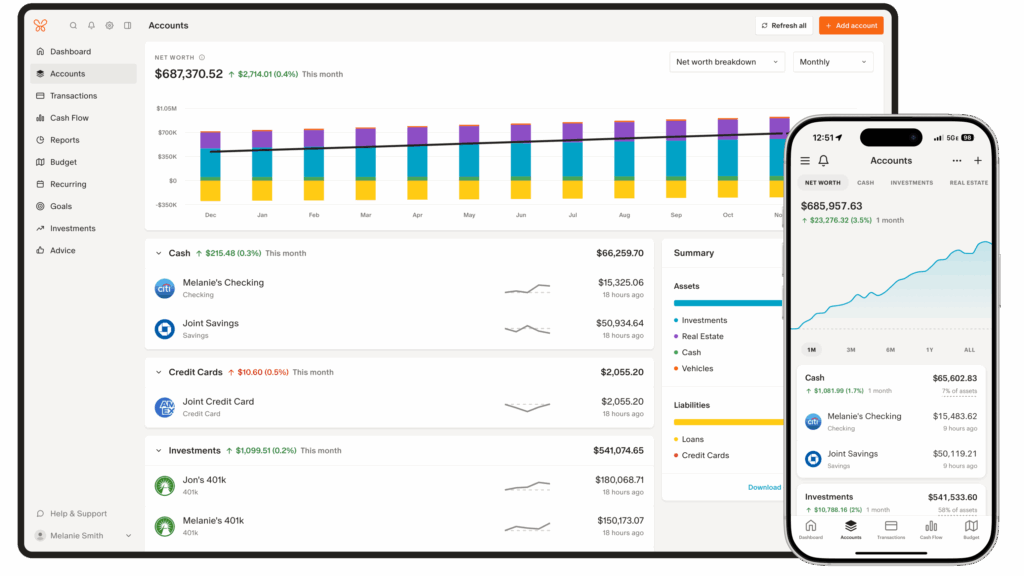
Personal Capital combines budgeting with investment tracking. It helps users manage daily spending while monitoring long-term goals. The app offers tools to analyze net worth and investment performance. Personal Capital is ideal for those balancing budgets and growing wealth.
5. PocketGuard
PocketGuard simplifies budgeting by showing how much is “safe to spend.” It connects to bank accounts and analyzes income, bills, and goals. The app breaks down spending into easy-to-understand charts. PocketGuard is great for users who want a quick overview of finances.
6. Spendee
Spendee offers customizable budgeting tools for individuals and families. Users can create multiple budgets for different financial goals. The app supports tracking cash, bank accounts, and even crypto wallets. Spendee works well for those managing diverse income streams.
7. Honeydue
Honeydue is designed for couples to manage finances together. It syncs bank accounts and categorizes spending automatically. The app allows partners to set budgets and share financial goals. Honeydue is perfect for improving financial transparency in relationships.
8. MoneyWiz
MoneyWiz offers detailed financial tracking across multiple accounts. It supports bank sync, manual input, and custom budget categories. The app provides powerful reporting tools for analyzing spending trends. MoneyWiz is ideal for users who want advanced features and flexibility.
9. Fudget
Fudget is a simple and straightforward budgeting app. It focuses on tracking income and expenses without complicated features. Users can create lists to monitor spending and savings. Fudget is best for those who prefer minimalistic budgeting tools.
10. Zeta
Zeta caters to couples and families with shared finances. It offers joint accounts, personalized budgets, and bill reminders. The app tracks both individual and combined spending. Zeta works well for collaborative budgeting and financial goal setting.

Credit: www.engadget.com
YNAB: Best For Hands-on Budgeters
YNAB (You Need A Budget) stands out for its proactive approach to budgeting. It’s designed for people who want full control of their finances. Unlike automated tools, YNAB encourages users to assign every dollar a job. This method helps users stay intentional with spending while focusing on long-term financial goals.
For those who prefer a hands-on approach, YNAB is an excellent choice. It emphasizes active participation in managing money rather than relying on automation. This app is perfect for individuals aiming to build better financial habits.
Pricing And Plans
YNAB offers a 34-day free trial for new users. After the trial, users can choose between two pricing options:
- Monthly plan: $14.99 per month
- Annual plan: $99 per year (saves money compared to the monthly plan)
While YNAB isn’t the cheapest option, many users find its tools worth the price. The yearly plan provides better value for those committed to long-term budgeting.
Unique Features
YNAB uses a zero-based budgeting method. Every dollar is assigned to a specific category, ensuring you know where your money goes. It also focuses on teaching users to plan ahead by budgeting for future expenses.
The app syncs with bank accounts, making it easy to track transactions. Users can manually add expenses for full control over their budget. YNAB also offers detailed reports, showing spending patterns and financial progress.
Another unique feature is its educational content. YNAB provides webinars, videos, and guides to help users improve their money skills. These resources make it more than just a budgeting app—it’s a tool for financial education.
Pros And Cons
Pros:
- Focuses on financial education and habit-building
- Zero-based budgeting ensures every dollar is accounted for
- Offers detailed spending reports and insights
- Syncs with bank accounts for easy tracking
- Manual entry option for greater control
Cons:
- Higher cost compared to some free apps
- Steeper learning curve for beginners
- Lacks built-in investment tracking
Pocketguard: Simplified Spending Tracker
Mint has been a go-to budgeting app for years, but users often seek alternatives with simpler features. PocketGuard is one such option. This app focuses on tracking spending and helping users stick to budgets without overwhelming them with too many tools. It’s ideal for those who want a user-friendly way to manage their finances and avoid overspending.
How It Works
PocketGuard connects to your bank accounts and credit cards. It automatically tracks transactions and categorizes them for better visibility. The app calculates how much money is “safe to spend” after accounting for bills, goals, and savings. This gives users a clear idea of their available cash without needing manual calculations.
Standout Features
One of PocketGuard’s unique features is its “In My Pocket” tool. It shows what’s left after subtracting bills, budgets, and goals. The app offers customizable categories for tracking spending. It also includes a subscription tracker, helping users avoid unnecessary charges. Security is a priority, with encryption ensuring data stays protected.
Who Should Use It?
PocketGuard is perfect for those who prefer simplicity in budgeting. It’s ideal for people who want to avoid complicated financial apps. If managing subscriptions and daily spending is a priority, this app works well. It’s also great for individuals who need a secure platform for tracking their finances.
Everydollar: A Zero-based Budgeting Tool
EveryDollar is a budgeting app that uses the zero-based budgeting method. This approach ensures every dollar of your income is assigned a purpose. It’s designed for users who want a clear, straightforward way to manage their money. The app focuses on simplicity and helps build better financial habits.
With its intuitive features, EveryDollar is a popular alternative to Mint. It allows you to customize your budget and track spending with ease. Whether you’re new to budgeting or experienced, this tool fits most lifestyles.
Simple Setup
EveryDollar has a user-friendly setup process that takes only minutes. After signing up, you can quickly input your income and expenses. The app organizes your budget into categories for better clarity. You can adjust these categories based on your financial goals. The drag-and-drop feature makes editing your budget seamless. No complex calculations or financial jargon is required.
Integration With Ramsey+
EveryDollar offers seamless integration with the Ramsey+ membership. Ramsey+ provides additional resources, including financial courses and tools. This integration helps users stay on track with their money goals. By using Ramsey+, you can access coaching, guided plans, and progress tracking. EveryDollar syncs with these features, creating a comprehensive financial system. This combination is ideal for those following Dave Ramsey’s principles.
Free Vs Paid Version
EveryDollar has both free and paid plans to suit different needs. The free version offers basic budgeting tools and manual tracking. Users can allocate income, track spending, and stay organized. The paid version, EveryDollar Plus, adds premium features like bank syncing. With bank syncing, your transactions are automatically imported into the app. This saves time and reduces manual data entry. The paid plan also provides priority customer support and advanced tracking options.
Goodbudget: Envelope Budgeting Reimagined
Goodbudget simplifies managing money by using the envelope budgeting method. It helps you allocate funds into digital “envelopes” for each spending category. This app is perfect for those who want a hands-on approach to budgeting. Goodbudget prioritizes clarity, making it easy for beginners to understand. It’s a great alternative to Mint, especially for people who like a structured system.
How Envelope System Works Digitally
The envelope system divides your income into different spending categories. Traditionally, people used physical envelopes to budget their money. Goodbudget takes this concept and makes it digital. You create virtual envelopes for categories like groceries, rent, and entertainment. Each envelope is assigned a specific amount based on your budget. As you spend, the app deducts money from the respective envelope. This keeps you aware of your spending limits.
Unlike Mint, Goodbudget doesn’t link directly to your bank account. Instead, you manually input transactions. This manual approach helps you stay mindful of your spending habits.
Sharing Budgets With Family
Goodbudget allows you to share your budget with family members. Everyone in the household can access the envelopes and track spending. This feature is useful for couples managing shared expenses. You can set limits together and track who spent what. It fosters transparency and ensures everyone is on the same financial page.
The app syncs data across multiple devices in real time. This makes it easy for families to stay updated on their budget, even on the go.
Limitations To Consider
Goodbudget lacks automatic syncing with bank accounts. This may feel tedious for some users. Manually entering transactions requires discipline and consistency. Without this, tracking expenses can become inaccurate.
The app also has a learning curve for new users. Unlike Mint, it doesn’t provide detailed spending insights or financial reports. It focuses solely on envelope budgeting, which may not suit complex financial needs.
Free users face limits on the number of envelopes and devices. To unlock more features, you’ll need to upgrade to the paid version.

Credit: www.online-tech-tips.com
Honeydue: Perfect For Couples
Honeydue simplifies shared finances for couples by tracking expenses, bills, and budgets in one place. It encourages teamwork and transparency, making money management less stressful.
Managing finances as a couple can be challenging. Honeydue simplifies this process by offering tools tailored for shared expenses. This app is designed for couples who want better control over their joint finances. It helps track spending, set budgets, and communicate about money seamlessly.
Features For Joint Finances
Honeydue supports shared accounts, making it easy to track joint expenses. Couples can split bills, assign categories, and monitor spending in real time. Notifications ensure both partners stay updated on transactions. The app also allows setting limits to encourage mindful spending. With a shared calendar, users can track due dates for bills together.
Privacy And Security
Honeydue prioritizes user privacy with bank-grade encryption for all data. It does not store sensitive information on its servers. Couples can control what financial details they share with each other. The app also ensures secure connections for all linked accounts.
Ideal User Scenarios
Honeydue is ideal for couples managing shared expenses, like rent or groceries. It’s helpful for those splitting bills or planning joint savings goals. Couples with different spending habits can use it to create transparency. It also works well for long-distance couples managing finances remotely. `
Personal Capital: Best For Wealth Tracking
Personal Capital stands out as a powerful app for managing your finances. It goes beyond simple budgeting by offering investment tracking tools. This makes it an excellent choice for users who want to build wealth while staying on top of their spending. With a sleek interface and detailed insights, it combines budgeting with financial planning to help you grow your money.
Unlike Mint, Personal Capital focuses on long-term financial health. It provides users with a clear overview of their net worth, investments, and savings goals. Its robust features make it ideal for individuals aiming to make smarter financial decisions.
Budgeting Meets Investment Management
Personal Capital bridges the gap between everyday budgeting and investment tracking. The app lets you categorize your expenses and monitor your monthly spending. Simultaneously, it provides tools to track your investments, portfolio performance, and asset allocation.
This dual focus makes it unique among budgeting apps. Users can view their financial data in one central dashboard. This eliminates the need to use multiple platforms for budgeting and investment management.
Free Tools Vs Premium Features
The app offers a variety of free tools for budgeting and tracking net worth. Users can link their accounts to view spending habits, savings, and debts. It also includes a retirement planner to help users prepare for the future.
For advanced financial planning, Personal Capital offers premium advisory services. These paid features include one-on-one financial advice and investment management. These services target users with higher account balances seeking tailored strategies.
Who Benefits Most?
Personal Capital is ideal for people who want to track wealth growth. It’s perfect for those with investments and long-term financial goals. Users who prefer detailed insights into their finances will appreciate its features.
This app suits individuals looking to manage budgets while planning for the future. If you’re interested in monitoring net worth and portfolio health, this tool is a great option.
Simplifi By Quicken: Streamlined And Modern
Simplifi by Quicken offers a fresh take on budgeting. It’s designed to provide a clean, intuitive interface. Users can manage their finances without feeling overwhelmed. This app combines simplicity with powerful tools, making it ideal for busy individuals.
With Simplifi, tracking spending and setting goals feels effortless. Its features cater to both beginners and experienced budgeters. Simplifi stands out for its modern design and ease of use.
Features That Stand Out
Simplifi lets users link all their financial accounts in one place. It provides real-time updates, ensuring users always know their financial status. The app’s spending plan feature helps track expenses against monthly budgets. Users can also set savings goals and monitor progress with visual charts.
Simplifi includes transaction categorization, making it easier to analyze spending habits. It offers personalized alerts to prevent overspending. Its dashboard is customizable, allowing users to prioritize the information they value most.
Subscription Costs
Simplifi operates on a subscription model. It offers a 30-day free trial for new users. The annual plan costs $47.99, while the monthly plan is $5.99. This pricing makes it affordable compared to similar apps. The free trial gives users a chance to explore its features before committing.
What Sets It Apart From Competitors
Simplifi’s real-time updates are a key differentiator. Many apps delay transaction updates, but Simplifi ensures instant visibility. Its clean design makes navigation straightforward, even for new users. The customizable dashboard provides a tailored experience for each user.
Simplifi also emphasizes financial planning. It helps users forecast cash flow and avoid overspending. Unlike some apps, Simplifi doesn’t overwhelm users with unnecessary features. It focuses on delivering essential tools in a user-friendly way.
Mvelopes: Envelope Budgeting Made Digital
Mvelopes brings the traditional envelope budgeting method into the digital space. This app helps users allocate funds effectively by dividing their income into virtual envelopes. Each envelope represents a spending category, such as groceries, rent, or entertainment. Mvelopes simplifies expense tracking and offers tools to manage finances without overspending.
If you’re searching for a budgeting tool that mimics physical envelopes, Mvelopes offers an intuitive way to control spending. It focuses on helping users stick to their budget and avoid unnecessary debt.
Core Features
Mvelopes allows users to create unlimited digital envelopes for different spending categories. The app provides real-time updates to help track expenses and manage balances. It offers integration with bank accounts, enabling seamless transaction imports for accurate budgeting.
Users benefit from the built-in debt reduction tools, which guide them toward financial freedom. Mvelopes also includes detailed financial reporting, making it easier to analyze spending patterns. Personalized budget coaching is available to help users set and achieve financial goals.
Pricing Tiers
Mvelopes offers three pricing tiers to cater to different needs. The Basic plan costs $6 per month and includes features like envelope creation and bank account integration. The Plus plan is $19 per month and adds debt reduction tools and financial reporting. The Premier plan, priced at $59 per month, includes personal budget coaching and advanced tools.
Each tier allows access to the core envelope budgeting system. Higher tiers unlock additional features designed for users seeking more tailored financial guidance.
Best Use Cases
Mvelopes is ideal for individuals who want to control spending and avoid debt. It suits people who prefer a visual representation of their budget through envelopes. The app is great for families managing shared finances and prioritizing savings goals.
It also works well for users seeking guidance on debt reduction. Mvelopes supports those who value detailed financial insights and one-on-one coaching. Its simple design makes it accessible for beginners starting their budgeting journey.
Zeta: Aimed At Couples And Families
Managing finances as a couple or family can feel overwhelming. Zeta simplifies this process by focusing on shared money management. It’s designed to help households work together on budgets, bills, and financial goals. This app is perfect for couples and families who want transparency in their finances. It offers tools to make collaboration easy and stress-free.
Financial Tools For Shared Goals
Zeta provides tools tailored for joint financial planning. Couples can create shared budgets to track expenses and savings. It also allows linking individual and joint accounts for a complete financial view. Families can use the app to organize bills and set up goals for larger expenses. The app’s features encourage teamwork in achieving financial milestones.
How Zeta Differs From Honeydue
Zeta and Honeydue both cater to couples, but they differ in focus. Zeta emphasizes financial planning for long-term goals like savings and investments. It includes features for shared goals and family-oriented tools. Honeydue, on the other hand, focuses more on day-to-day expense tracking. Zeta’s planning-centric approach makes it ideal for families looking to grow wealth together.
Pros And Cons
Pros:
- Designed for couples and families, not just individuals.
- Supports shared accounts and goals for financial transparency.
- Offers tools for both budgeting and long-term planning.
Cons:
- May not suit individuals with no shared finances.
- Fewer features for detailed investment tracking.
Comparison Table Of Features And Pricing
Choosing the right budgeting app can feel overwhelming with so many options. To make this easier, we’ve created a simple comparison table of features and pricing. This section highlights the key benefits and costs of the top 10 budgeting apps to replace Mint in 2025. The table helps you quickly decide which app suits your needs and budget.
Each app offers unique features like expense tracking, goal setting, or bill reminders. Pricing varies from free plans to premium subscriptions. By comparing these details side by side, you can save time while finding the best value.
Features Overview
Most apps on the list offer essential budgeting tools. These include categorizing expenses, setting financial goals, and tracking savings. Some apps provide advanced features like investment tracking or debt payoff calculators. Others focus on simplicity and ease of use. Review the table below to compare their features.
Pricing Breakdown
Budgeting apps range from free to monthly or yearly subscription plans. Free apps are great for basic money management. Paid apps often include premium features like custom reports or bank account syncing. The pricing column in the table outlines costs for each app.
User Accessibility
Accessibility matters when choosing a budgeting app. Some apps work on both desktop and mobile devices. Others are mobile-only for on-the-go tracking. The table includes details about platform availability to help you decide.
Customization Options
Customization allows users to personalize their budgeting experience. Some apps let you create custom expense categories or set unique financial goals. Others offer pre-set templates for faster setup. Check the table to find apps with customization features.
Customer Support
Reliable customer support can make a big difference. Some apps offer live chat, email, or phone support. Others provide self-help resources like FAQs or tutorials. The table below highlights support options for each app.
Credit: robberger.com
How To Choose The Right Budgeting App
Choosing the right budgeting app can feel overwhelming with so many options. Each app offers unique features tailored to different needs. To make an informed decision, focus on what aligns with your financial habits and goals. This section will guide you step by step to narrow down the perfect app for you.
Assessing Your Financial Goals
Start by identifying your financial priorities. Are you saving for a house or paying off debt? Some apps excel at tracking expenses, while others focus on savings goals. Understanding your needs will help you find an app that supports your objectives. Write down your top financial goals before comparing apps.
Trial Periods And Free Versions
Many apps offer free trials or basic versions. These allow you to explore features before committing. Test how user-friendly the app is during this period. Ensure it integrates smoothly with your accounts and suits your daily routine. Free trials are a great way to evaluate if the app meets your expectations.
Prioritizing Must-have Features
Make a list of the features you can’t do without. Do you need automatic expense tracking or manual input options? Some apps focus on simplicity, while others provide detailed reports and analysis. Look for features like bill reminders, customizable categories, or shared accounts if they are important to you. Choose an app that matches your workflow and preferences.
Frequently Asked Questions
What Are The Best Alternatives To Mint In 2025?
Some top alternatives to Mint in 2025 include YNAB, PocketGuard, and Goodbudget. These apps offer great budgeting features. —
Are Budgeting Apps Safe To Use For Personal Finance?
Yes, most budgeting apps use bank-level encryption. They protect your financial data and prioritize user privacy.
Can I Use Free Budgeting Apps Instead Of Mint?
Yes, many apps like Goodbudget and PocketGuard offer free plans. They provide essential budgeting tools without extra costs.
Conclusion
Budgeting apps offer a smart way to manage money efficiently. The right tool simplifies tracking expenses and staying on financial goals. Each app listed provides unique features for different needs and preferences. Whether you want detailed reports or easy-to-use interfaces, these options deliver value.
Exploring alternatives ensures you find the perfect fit for your lifestyle. Small changes in budgeting habits can lead to big results over time. Start today with the app that aligns with your goals and priorities. Financial control is achievable with the right resources at your fingertips.